
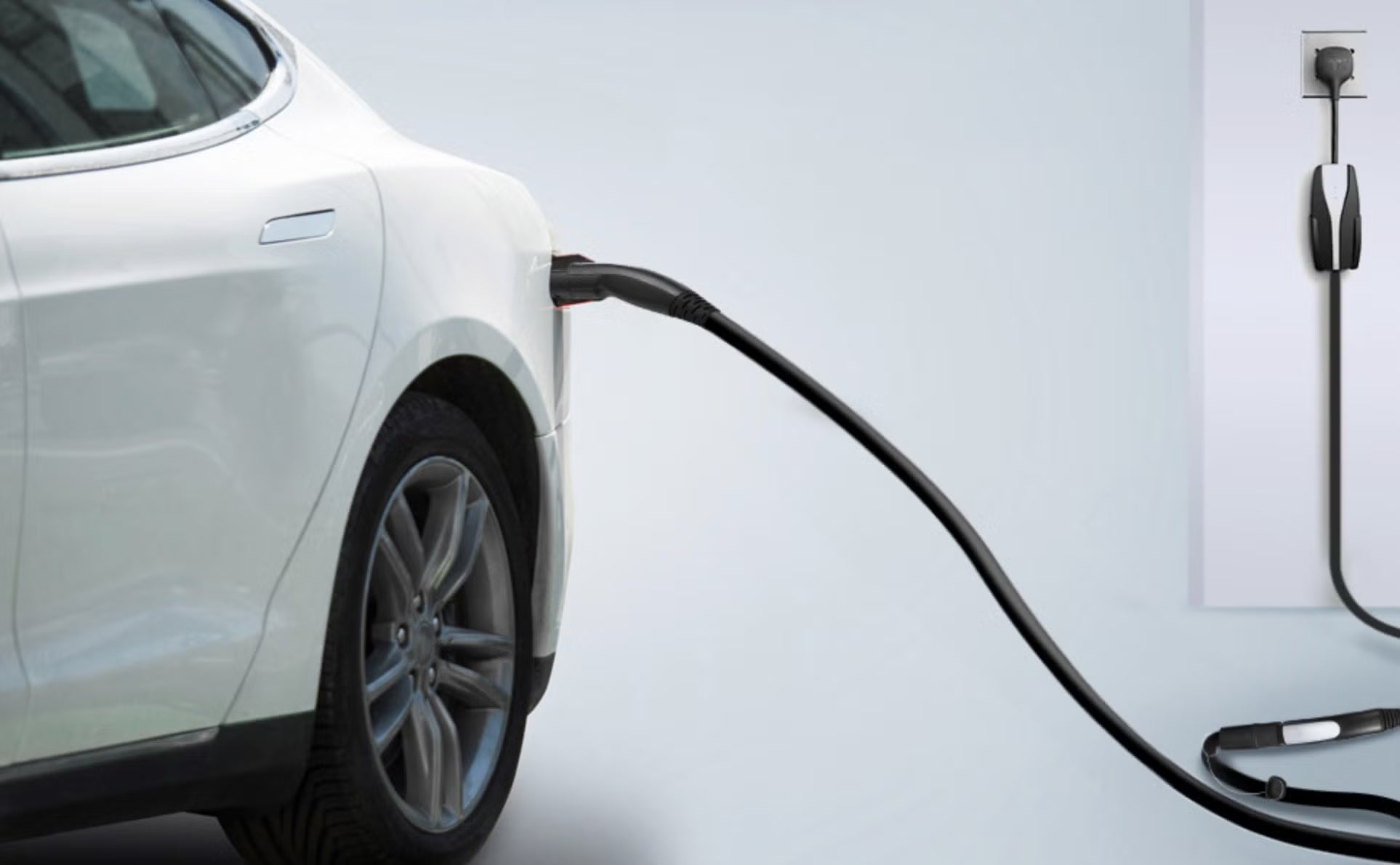
Electric vehicles(EVs) are no longer a recess curve they are transforming the way populate think about transit. Central to this transfer are car charging Stations of the Cross, which are reshaping travel, mobility patterns, and even municipality planning. The rise of charging infrastructure is not just a convenience; it is redefining the very go through of driving.
1. The Rise of Electric Vehicles
The adoption of EVs has expedited due to study advances, political science incentives, and flared environmental awareness. As stamp battery applied science improves, EVs can now jaunt thirster distances on a 1 shoot, qualification them workable for both city commuting and long-distance trip. However, the expansion of EVs relies to a great extent on accessible charging infrastructure. Without a network of charging Stations of the Cross, drivers face range anxiety the fear of track out of battery mid-journey.
2. Charging Stations: The Backbone of EV Travel
Charging Stations of the Cross come in various forms: home chargers, world stations, and fast chargers along highways. Each type plays a role in support trip:
Home chargers provide for daily commutation but are limited for long trips.
Public charging Stations of the Cross allow drivers to recharge while track errands or visiting destinations.
High-speed charging hubs on highways are vital for long-distance travel, reduction charging time to as little as 15 30 proceedings.
The expansion of these stations has transformed EVs from urban comforts to virtual alternatives for road trips.
3. Redefining Road Trips
Historically, long-distance trip in cars depended on gasoline stations, which are densely rationed and promptly to use. EV charging Stations are bit by bit achieving a similar network density. This transfer allows travelers to plan longer journeys without fear of getting marooned. Some charging Stations of the Cross are now set in scenic areas or near tourist attractions, turning necessary charging breaks into opportunities for exploration and rest. This desegregation of trip and charging is redefining the conception of a road trip.
4. Urban Planning and Mobility Changes
The proliferation of charging Stations of the Cross is also influencing municipality planning. Cities are integration EV infrastructure into parking lots, shopping centers, and human action areas. This not only encourages EV adoption but also affects dealings patterns and commuting habits. For instance, drivers may take destinations based on available charging points, creating a subtle but significant change in municipality mobility flows.
Additionally, ache charging Stations equipped with apps and integer payments raise . Users can turn up Stations of the Cross, supervise handiness, and reserve slots, qualification EV travel electric sander than ever before.
5. Environmental Impact
Beyond convenience, charging Stations support sustainability goals. Increased EV borrowing reduces nursery gas emissions, especially when comes from renewable sources. Charging networks make it possible for more populate to adopt EVs, straight contributing to air and quieter streets. Travel deportment is also changing, as drivers become more intended of vitality expenditure and route provision to maximize efficiency.
6. The Economics of Charging Networks
The rise of charging Stations of the Cross is creating new byplay opportunities. Companies are investing in fast-charging hubs, subscription-based charging services, and integrated apps. Hotels, malls, and restaurants are offering ev car chargers sale points to pull in EV-driving customers. Even logistics and ride-sharing companies are redesigning fleets to operate expeditiously with get at to charging substructure. The worldly ripple effect extends from energy providers to real estate developers, showcasing how EV infrastructure is reshaping quaternary industries.
7. Challenges and Future Outlook
Despite rapid increase, challenges stay on. Charging infrastructure is unevenly spaced, especially in rural or remote control areas, limiting jaunt options. Standardization across chargers and defrayment systems is also a come to. However, invention is addressing these issues, from immoderate-fast chargers to battery-swapping technology. In the near futurity, the of improved batteries and general charging networks will make EV jaunt quicker, more expedient, and available to almost everyone.
8. Conclusion
Car charging Stations of the Cross are no yearner peripheral device they are exchange to the EV revolution and the shift of travel. By reducing straddle anxiety, facultative long-distance trips, and influencing urban provision, charging infrastructure is reshaping how people move and research. As networks expand and applied science evolves, the way we plan journeys, road trips, and interact with cities will continue to change. For travelers, this is more than it is the dawn of a new era in mobility.
